
World Cup knockout action, Venezuela earthquake aftermath, and America250 lead-up imagery | June 29
This week’s editorial landscape is being shaped by three very different but highly visual storylines: the transition of the FIFA World Cup into its knockout rounds, the continuing humanitarian and infrastructure crisis following the devastating earthquakes in Venezuela, and the visible build-up to America250 celebrations ahead of July 4. Together, these themes offer a strong mix of live-event sports imagery, breaking-news public impact coverage, and patriotic civic visuals tied to a major national milestone.
For editors, producers, and picture desks, that combination is especially useful. It reflects the kind of weekly editorial demand that moves across multiple desks at once: sports, world news, public affairs, features, and culture. For agents and customer-facing teams, it also creates a practical reminder that the strongest image sourcing often comes from balancing immediate news value with broader contextual storytelling.
FIFA World Cup: Knockout-stage intensity takes over
The World Cup has now entered its knockout phase, and the tone of tournament coverage has shifted accordingly. The group stage invited broader storytelling around arrivals, anticipation, and early momentum. The knockout rounds, by contrast, sharpen everything. Every match is decisive, every result carries larger stakes, and the imagery becomes more emotionally charged.
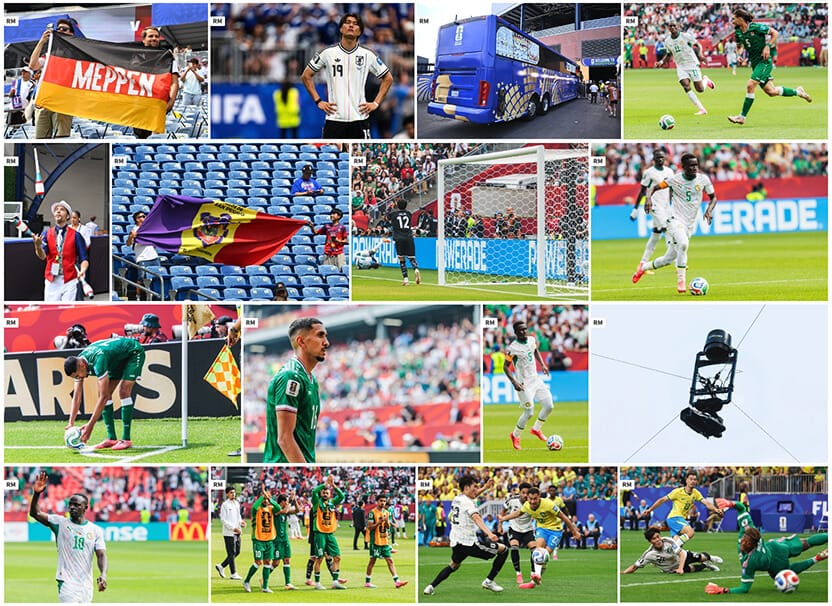
This is where World Cup coverage often becomes most visually compelling. Match action remains central, but the strongest editorial packages usually extend beyond the ball and the scoreline. Editors may need:
- game-winning moments and critical saves
- player reactions at full time
- fans in the stands and public-viewing crowds
- pre-match and post-match atmosphere
- stadium exteriors and host-city context
- celebrations, heartbreak, and pressure-filled body language
What makes knockout-stage imagery especially strong is that it naturally carries narrative weight. The same frame can communicate tension, relief, collapse, triumph, or elimination. For sports desks, that means richer visual storytelling around every fixture. For general news and digital audiences, it means the tournament continues to function as a global cultural event as much as a sports competition.
This is also a good time to emphasize host-nation and regional storylines, especially where teams are advancing, drawing major crowds, or creating memorable scenes around stadiums and fan zones. The World Cup in this phase is not only about who is winning, but about how the tournament is being experienced in public. That makes supporter scenes, city atmosphere, and venue-driven imagery especially valuable.
For Newscom, the key is to highlight both the obvious and the supporting visuals: match action, yes, but also arrivals, training, fans, flags, celebrations, and host-city energy. Those surrounding images often help customers turn a straightforward sports update into a fuller visual package.
Suggested searches:
World Cup knockout match action • football fan crowd • stadium atmosphere World Cup • team celebration soccer
Venezuela earthquake aftermath
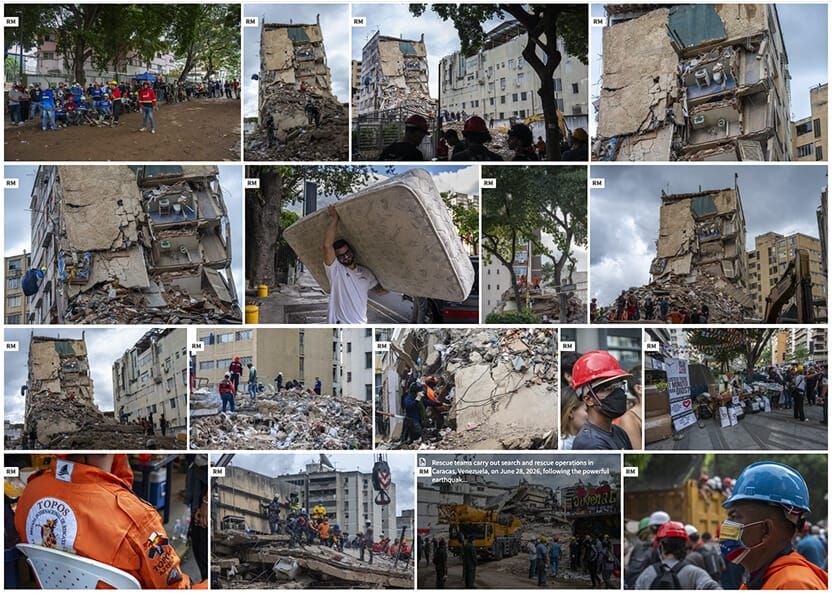
The earthquake disaster in Venezuela remains one of the week’s most important humanitarian and public-impact stories. As rescue and recovery efforts continue, the visual needs around the story are widening. What began as breaking disaster coverage is now also a story about search and rescue, public response, structural damage, displacement, aid, and the longer-term reality of recovery under difficult conditions.
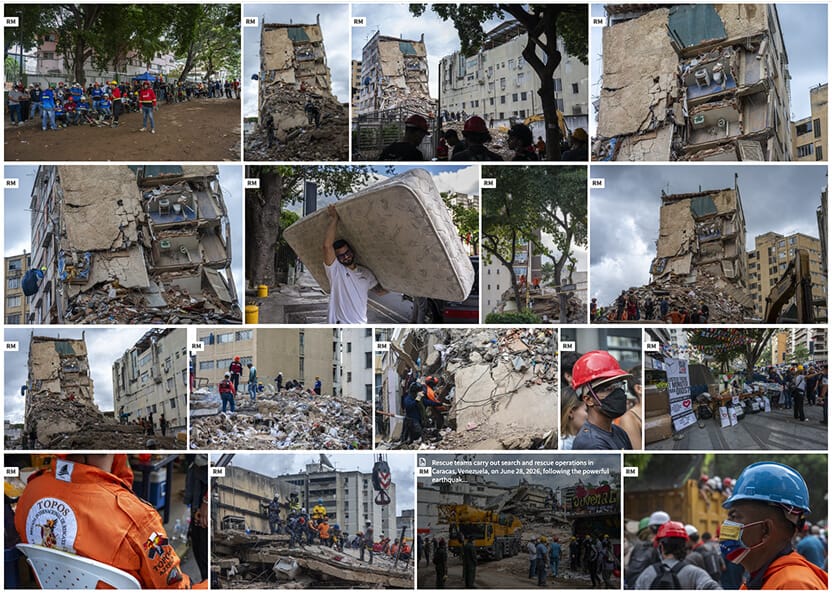
This makes it a strong category for editorial imagery because the visual demand is not limited to one type of picture. Editors may need:
- collapsed buildings and damaged streets
- rescue teams and emergency responders
- people searching for relatives or salvaging belongings
- temporary shelters and public gathering points
- aid distribution and medical response
- overhead or street-level views showing scale of damage
- human-centered imagery that conveys shock, displacement, and persistence
Stories like this often evolve quickly from immediate disaster reporting into broader public-interest and policy coverage. That means images of the disaster zone are useful not only for the first headline, but for follow-on stories about infrastructure, governance, relief, outside assistance, and community resilience. In practice, the most effective imagery mix often includes both the broad visual evidence of destruction and the smaller human moments that illustrate how people are living through the aftermath.
For customers, this is a good example of why context matters. A single collapsed-building image may anchor a breaking story, but the wider editorial package often needs more: responders, survivors, crowds, temporary camps, aid workers, and visible damage across different settings. For agents, this is also the kind of story where a well-curated lightbox can be especially valuable, because buyers may need range more than volume.
The strongest sourcing approach here is likely to combine:
- rescue and response
- structural damage
- displaced residents
- public-space and street-level aftermath
- humanitarian aid and recovery scenes
That broader approach will help customers build out coverage that feels current, human, and visually complete.
Suggested searches:
Venezuela earthquake rescue • collapsed building Venezuela • disaster relief Venezuela • earthquake aftermath street scene
America250: Lead-up activity ahead of July 4
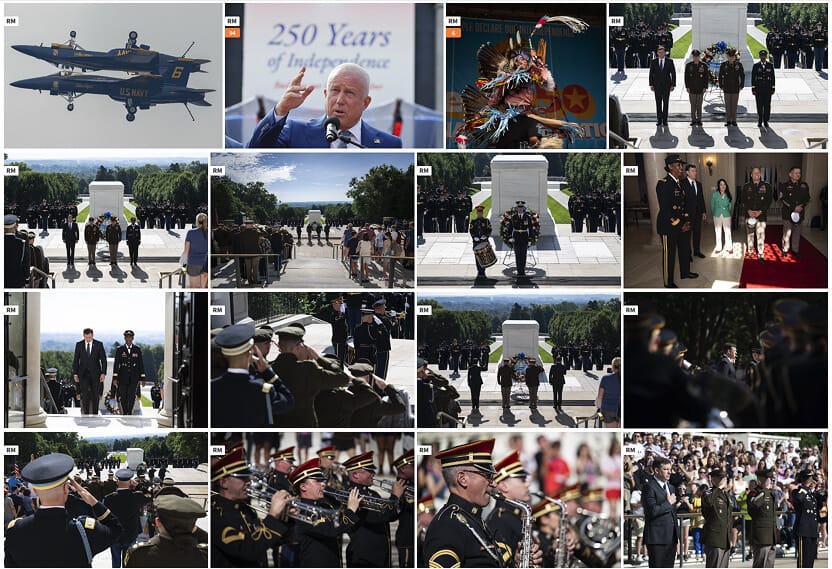
As the U.S. moves into the final days before July 4, America250-related events and civic activity are becoming more visible across major cities, landmarks, and local communities. This makes the week especially useful for patriotic and public-life imagery, not just because of the anniversary itself, but because the lead-up period often produces some of the strongest visuals: rehearsals, parades, gatherings, historical references, fireworks preparation, public ceremonies, and community participation.
For editorial teams, this category is valuable because it can serve several different needs at once. It works for:
- national milestone coverage
- local and regional event reporting
- culture and features
- travel and destination pieces
- historical reflection and civic storytelling
The imagery opportunities are broad. Editors may want:
- flag-heavy crowd scenes
- July 4 parade visuals
- reenactments and historical costume events
- fireworks preparation and staging
- military bands and ceremonial pageantry
- families gathering in public parks and plazas
- landmark-driven scenes in Washington, New York, Philadelphia, Boston, and local communities
What makes the America250 lead-up especially useful is that it bridges current event coverage with broader reflection. It is a live story, but it also carries symbolic and historical weight. That means the visuals can work both for immediate coverage and for more thematic editorial packages about national identity, remembrance, civic life, and public celebration.
For Newscom, this is also a good opportunity to reinforce that the archive and current-event inventory work well together. Customers may want contemporary event imagery tied to parades, fireworks, and gatherings this week, while also looking for older historical imagery to deepen the story. That makes America250 an especially strong editorial theme because it can connect current public celebrations with historical reference points in the same package.
The best sourcing strategy here is likely to emphasize both scale and specificity:
- broad patriotic crowd scenes
- city or landmark-specific events
- historical reenactments
- public ceremony
- visual cues that clearly place the coverage in the America250 moment
Suggested searches:
America250 celebration crowd • July 4 parade patriotic • historical reenactment Independence • fireworks preparation July 4 • civic celebration U.S. anniversary
Why these three themes work together
What makes this week’s mix especially effective is the range it offers without feeling disconnected. The World Cup delivers global event energy and highly emotional sports imagery. Venezuela provides urgent public-impact and humanitarian coverage with strong visual depth. America250 adds patriotic civic imagery and a broader cultural frame as the country moves toward July 4.
Together, these three themes reinforce a useful editorial truth: strong image demand is rarely confined to one category. The best weekly outlook often combines live action, breaking news, and broader public or cultural storytelling. That is exactly what this week’s mix provides.
Need help sourcing images?
Whether you’re building out World Cup coverage, assembling a more complete Venezuela earthquake package, or looking for America250-related visuals ahead of July 4, Newscom can help streamline the search.
Search the archive directly, request a curated lightbox, or use these themes as a starting point for broader editorial planning.