
The Biggest Image Licensing Mistakes Editors Still Make
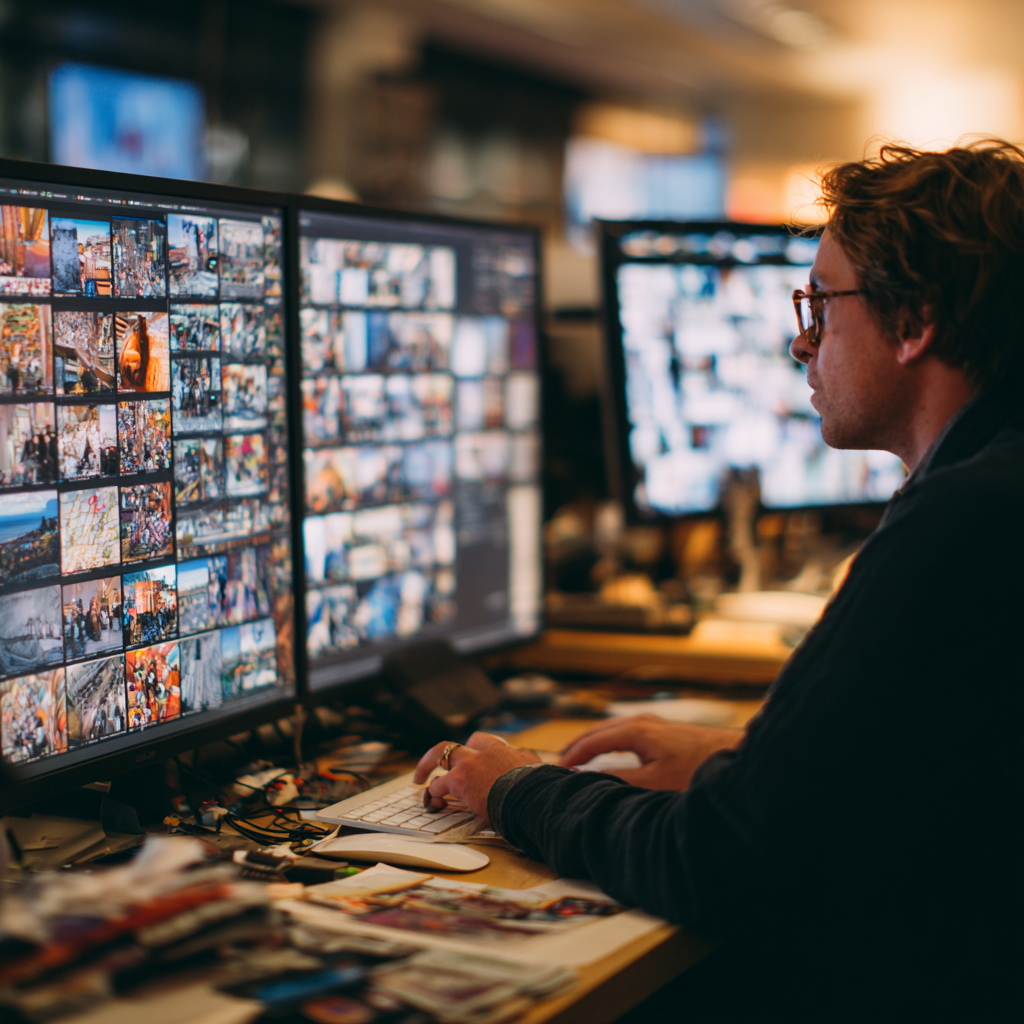
In today’s 24/7 news cycle, images are often selected under intense deadline pressure. Editors are expected to move fast, tell the story visually, and avoid legal or ethical missteps—all at the same time. Despite better tools and clearer guidelines, image licensing mistakes remain surprisingly common, even in experienced newsrooms.
Here are the biggest image licensing errors editors still make—and how to avoid them.
1. Assuming “Editorial Use” Means Unlimited Use
One of the most persistent misconceptions is that an image labeled editorial can be used anywhere, anytime, without restriction.
In reality, editorial images are typically licensed for newsworthy, non-commercial contexts only, and many come with usage limitations tied to:
- Topic relevance
- Time sensitivity
- Geographic distribution
- Placement (e.g., homepage vs. marketing materials)
Using an editorial image in a promotional email, sponsored content, or branded social post can quickly cross into misuse—even if the image came from a trusted source.
Avoid it: Always check the permitted use and intended context before publishing, especially outside core news articles.
2. Reusing Images Across Platforms Without Checking Rights
A common workflow shortcut is to reuse a single image across multiple platforms—website, social, newsletters, and even print. While efficient, this can lead to licensing violations.
Not all licenses automatically cover:
- Social media distribution
- Third-party platforms
- Long-term or repeated use
What was cleared for a breaking news article may not be cleared for a week later on Instagram or a recap newsletter.
Avoid it: Treat each platform as a separate use case and confirm rights before republishing.
3. Holding Onto Images Past Their Licensing Window
In fast-moving news environments, it’s easy to forget that some images are licensed for limited durations or tied to a specific news event.
Using an image weeks or months later—especially in backgrounders, explainers, or anniversary coverage—can violate the original terms if the license was event-specific.
Avoid it: Track usage windows and relicense or replace images when coverage shifts from “breaking” to “evergreen.”
4. Confusing Rights-Managed and Royalty-Free Content
Even seasoned editors sometimes blur the distinction between rights-managed (RM) and royalty-free (RF) imagery.
- Rights-managed images are licensed for specific uses, durations, and placements.
- Royalty-free images allow broader reuse—but still come with restrictions.
Assuming RF means “do anything, forever” can lead to improper use, particularly in high-visibility placements.
Avoid it: Understand the licensing model before selecting an image, and don’t assume flexibility without confirmation.
5. Ignoring Caption and Credit Requirements
Captions are more than editorial context—they’re often a licensing requirement.
Missing, altered, or truncated credit lines can violate licensing agreements and damage relationships with photographers and agencies.
Avoid it: Preserve original captions and credits whenever possible, and ensure they travel with the image across platforms.
6. Letting Old Images Resurface Without Review
Images have long shelf lives in CMS libraries. Without proper review, outdated or improperly licensed visuals can resurface in new stories, sidebars, or homepage modules.
What was licensed under one editor or system may not meet current standards—or may no longer be cleared at all.
Avoid it: Regularly audit image libraries and flag assets with unclear or expired licensing.
7. Relying on Memory Instead of Data
In busy newsrooms, editors often rely on institutional knowledge or past habits when selecting images. But as licensing rules evolve and usage multiplies, memory isn’t enough.
Without visibility into how images are being used across teams and platforms, mistakes become harder to catch.
Avoid it: Use tools that provide clarity into image usage, licensing status, and distribution across your organization.
The Bottom Line
Most image licensing mistakes aren’t intentional—they’re the result of speed, complexity, and fragmented workflows. But the consequences can be serious: legal risk, takedown requests, reputational damage, and lost trust.
The good news? With clearer processes, better visibility, and the right tools, these mistakes are entirely preventable.
In an era where visuals move as fast as the news itself, getting image licensing right isn’t just a legal requirement—it’s an editorial responsibility.
Have any licensing questions, we're here to help- sales@newscom.com