
World Cup momentum, Wyndham Clark’s U.S. Open win, and Great Depression archive imagery
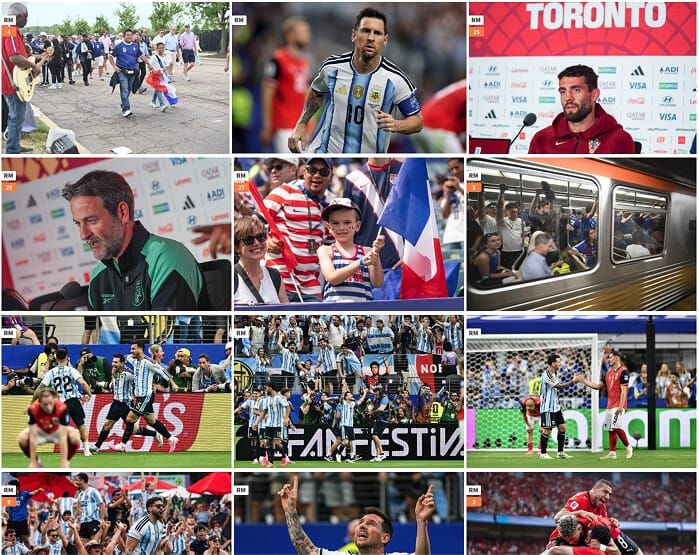
This week’s editorial landscape is being shaped by a mix of live global sports, sports-news fallout, and historical archive storytelling. As the FIFA World Cup group stage continues to unfold, the tournament is already producing defining early moments, strong host-city atmosphere, and the kind of global fan energy that drives daily image demand. At the same time, Wyndham Clark’s U.S. Open win has created a second sports story with a very different tone — one centered not just on victory, but also on reaction, scrutiny, and the broader narrative surrounding the championship. Alongside those current stories, this week’s USA 250 archive focus turns to Great Depression imagery, offering a strong historical thread for editors planning anniversary-related coverage, educational packages, and reflective features.
Together, these themes create a useful mix of fast-moving event coverage, high-interest reaction-driven sports imagery, and archival content that brings depth and long-tail relevance to the week’s editorial planning.
FIFA World Cup: Group-stage momentum builds
The World Cup has now moved beyond opening-week anticipation and into the phase where group-stage narratives begin to take shape. Early matches have already produced standout team performances, strong host-nation energy, and a growing sense of tournament identity across multiple cities and national fan bases. This is the point in the competition when editorial demand broadens. It is no longer only about opening ceremonies or marquee expectations — it is about results, momentum, crowd emotion, player reactions, and the atmosphere surrounding the games as the path to the knockout rounds begins to form.
For picture desks, this is a particularly valuable moment because the strongest imagery often extends well beyond match action alone. Editors may need:
- group-stage game action
- player celebrations and visible frustration
- training sessions and warm-ups
- team arrivals and departures
- supporters, flags, and public-viewing scenes
- stadium exteriors and host-city context
- broader visuals that show how the tournament is being experienced on the ground
This is also the stage of the tournament where local atmosphere becomes especially useful. Host-city scenes, crowd behavior, fan culture, and team-focused anticipation all help round out the story for outlets that are not covering every match minute-by-minute. The World Cup is both a sports event and a global cultural event, which means the imagery can serve sports pages, international news coverage, travel and culture pieces, and digital recaps alike.
For Newscom, that creates a strong opportunity to surface not just the obvious match imagery, but a broader set of visuals that help customers tell a fuller story. Opening-round wins, strong starts by major teams, and surprising early group results all help create a richer editorial picture, especially when paired with supporters, venues, and environmental context.
Suggested searches:
World Cup group stage action • team training session • football fan crowd • host city tournament atmosphere
Wyndham Clark’s U.S. Open win and the aftermath
The second sports story worth highlighting this week is Wyndham Clark’s U.S. Open victory. On its own, the win provides a classic championship image set: trophy presentation, final-round tension, gallery reaction, course context, and the visible emotion that follows a major title. But what makes this story especially useful from an editorial standpoint is that it does not stop at the win itself. The aftermath has brought an additional layer of reaction and scrutiny, creating a more complex sports-news narrative that extends beyond straightforward celebration.
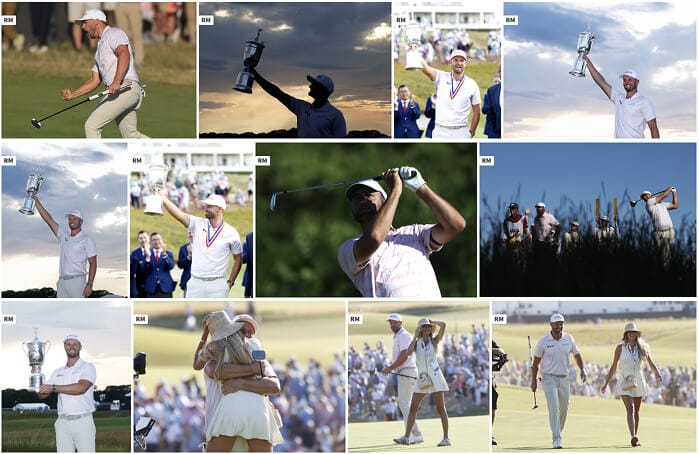
That matters because not every sports image need is purely celebratory. In this case, the visual opportunities include:
- final-round pressure moments
- reaction shots on key holes
- crowd and gallery atmosphere
- trophy presentation and winner celebration
- course and championship setting
- player body language and public response
- imagery tied to reaction and discussion after the event
This kind of story often performs well for a broader set of editors because it supports multiple editorial angles at once. Sports desks may focus on the competition and result. Commentary and analysis desks may focus on public reaction, tone, and what the victory means in context. More general-interest editors may want imagery that captures the emotional complexity of the moment — success, scrutiny, crowd energy, and the intensity of a major championship stage.
For Newscom customers and agents, this is a good reminder that sports imagery is often strongest when it includes both the expected hero shot and the more revealing supporting visuals around atmosphere, pressure, and response.
Suggested searches:
Wyndham Clark U.S. Open trophy • Wyndham Clark crowd reaction • Shinnecock Hills gallery • U.S. Open final round golf
USA 250 archive series: Great Depression imagery
As part of the ongoing USA 250 archive series, this week’s historical focus turns to the Great Depression. This is a particularly strong archive category because it combines visual immediacy with deep historical resonance. Great Depression imagery can support anniversary-related editorial packages, educational features, retrospective essays, civic-history coverage, and broader storytelling about American hardship, labor, migration, public works, and resilience.
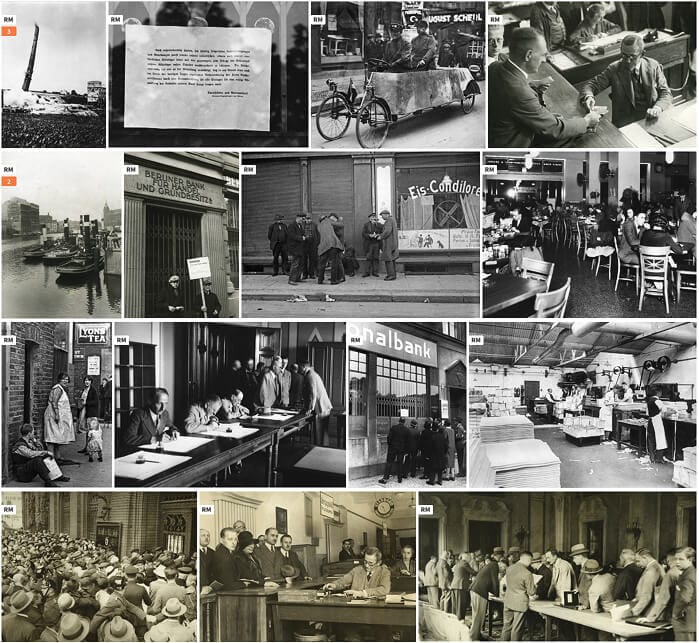
From a visual standpoint, the Great Depression remains one of the richest and most recognizable historical eras in the American archive. The imagery is powerful not only because of the events themselves, but because of how clearly the era translates visually: breadlines, dust storms, displaced families, public works projects, crowded city hardship, rural poverty, and the infrastructure of national recovery.
For editorial planning, this theme can be approached through several strong sub-angles:
- breadlines and urban hardship
- Dust Bowl and environmental displacement
- migrant families and internal movement
- WPA and New Deal public works
- labor, industry, and everyday struggle
- resilience, rebuilding, and civic response
This is also a good reminder that the USA 250 series does not need to focus only on founding-era imagery or patriotic symbolism. A stronger anniversary approach will likely include both celebratory and reflective visual material — moments that show not just origin and identity, but challenge, recovery, and the lived experience of American history across generations.
That makes Great Depression imagery especially useful now. It allows the archive series to broaden the meaning of the 250th anniversary by surfacing a period that still resonates across economics, migration, labor, government response, and social memory.
Suggested searches:
Great Depression America • Dust Bowl archive • breadline historical • WPA public works • migrant family 1930s
Why these three themes work together
What makes these three Outlook themes particularly useful as a set is that they cover very different editorial needs while still feeling coherent. The World Cup provides live, global, emotionally charged event coverage. Wyndham Clark’s U.S. Open win adds a sports story with a more narrative and reaction-driven edge. The Great Depression archive feature adds depth, context, and long-tail historical value through the USA 250 series.
Together, they reinforce a broader point about Newscom’s role in the editorial workflow: the strongest image sourcing often comes from a combination of immediate event coverage, human reaction, and contextual or archival material that helps deepen the story. This week offers a good example of that balance.
Need help sourcing images?
Whether you’re covering World Cup group-stage action, looking for a fuller visual package around the U.S. Open, or building anniversary-related historical features, Newscom can help streamline the process.
Search the archive directly, request a curated lightbox, or use these themes as a starting point for broader editorial planning.