
Newscom Editorial Outlook | European Athletics in Birmingham, the FedExCup Playoffs, and 65 Years Since the Berlin Wall
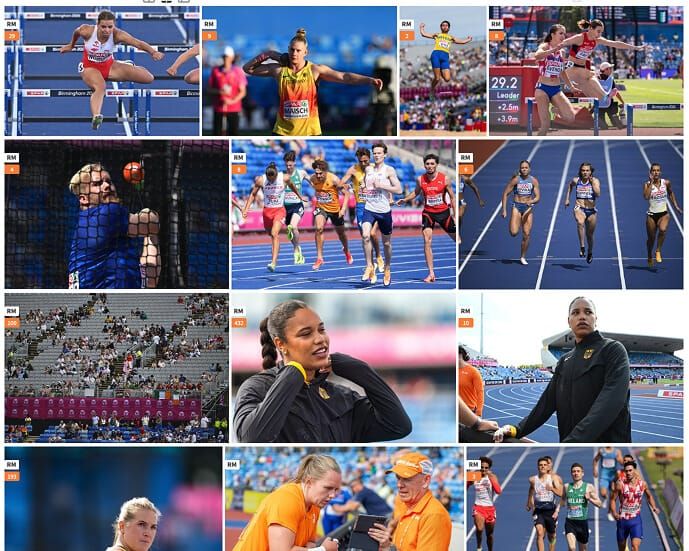
This week’s Editorial Outlook brings together three very different kinds of visual storytelling: live championship action, archival imagery that helps build anticipation for a major sporting event, and historical photography that continues to define how we remember one of the central symbols of the Cold War.
The European Athletics Championships are underway in Birmingham, producing fresh imagery of competition, emotion, and national pride. The PGA TOUR’s FedExCup Playoffs begin this week, creating an opportunity to revisit memorable moments from previous playoff seasons as editors look ahead to the 2026 postseason. And August 13 marks 65 years since barriers first went up across Berlin, beginning the construction of a wall that would divide the city for more than 28 years.
For photo editors, publishers, and agencies, these stories illustrate the different roles editorial imagery can play. Sometimes the need is immediate: a finish-line celebration or dramatic field-event moment from a competition taking place today. Sometimes the value comes from context: an image from a previous playoff that helps explain the stakes of the tournament ahead. And sometimes the archive itself becomes the story, preserving moments that continue to shape how history is understood.
European Athletics Championships: Live Championship Action in Birmingham
The European Athletics Championships are now underway in Birmingham, bringing many of Europe’s leading track-and-field athletes together for a full week of competition.
The championships provide the kind of visual variety that makes athletics particularly useful for editorial coverage. A sprint final can produce an explosive finish-line image one moment, while pole vault, high jump, throwing events, distance races, relays, and combined events offer completely different visual narratives throughout the program.
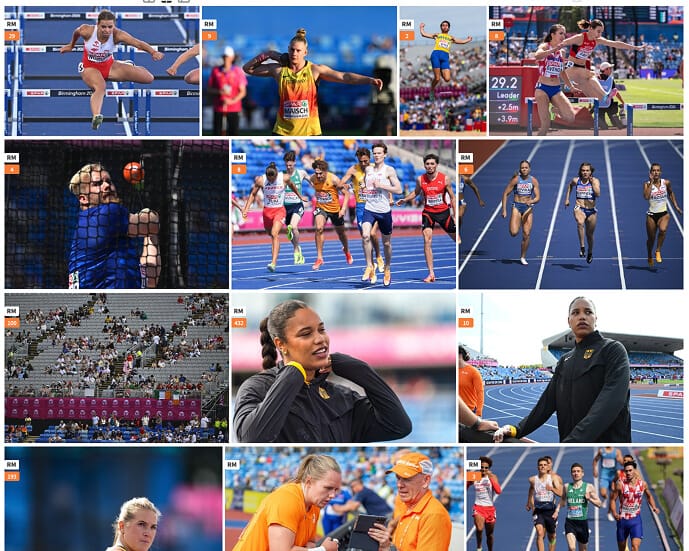
That variety gives editors a wide range of options beyond straightforward results coverage.
Strong visual angles can include:
- sprint starts and close finishes
- athlete celebrations and reactions
- medal ceremonies and podium moments
- hurdles and relay exchanges
- high jump and pole vault action
- javelin, discus, shot put, and hammer competition
- distance runners moving through tightly packed fields
- exhaustion and recovery immediately after races
- coaches and athletes interacting trackside
- national flags, uniforms, and supporters
- wide venue and crowd scenes
- portraits and preparation imagery before competition
The strongest championship coverage often combines action with emotion. A technically perfect photograph of an athlete in competition has obvious value, but the moments immediately before and after an event can tell just as much of the story.
The tension of waiting for a result, the reaction to a personal best, an athlete collapsing after a distance race, teammates embracing after a relay, or the expression of a medal winner on the podium can provide the human dimension that turns a sports result into a broader editorial narrative.
As the championships progress toward the later rounds and finals, imagery can also support developing storylines around medal tables, emerging stars, established champions, national-team performance, records, and unexpected results.
For publications serving individual European markets, national representation can be especially valuable. An athlete who receives limited international attention may still be a major editorial story in their home country, making searches by athlete, nation, and event particularly useful.
Suggested searches:
European Athletics Championships 2026 • Birmingham athletics • European track and field • sprint final Birmingham • athletics medal celebration • European Athletics field events • European Athletics relay • European Athletics podium
FedExCup Playoffs: Looking Back as Golf’s Postseason Begins
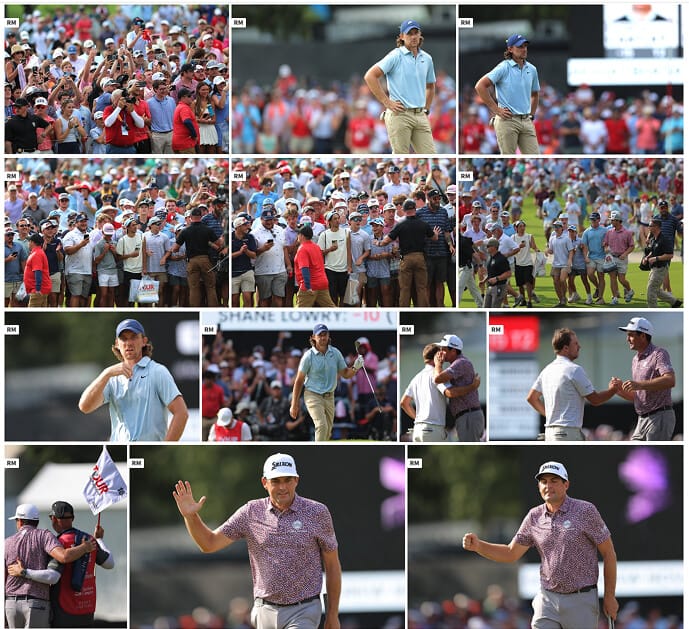
The FedExCup Playoffs begin this week, opening the final stretch of the PGA TOUR season and beginning the competition that will eventually determine the 2026 FedExCup champion.
For Newscom customers, this is an opportunity to use archival imagery in a slightly different way.
Before new tournament imagery begins arriving, photographs from previous FedExCup Playoffs can help set the stage for the 2026 competition. Past champions, defining shots, dramatic final rounds, playoff pressure, emotional celebrations, and familiar tournament settings all provide useful context for preview stories and player profiles.
That makes this an ideal “look back to look ahead” editorial category.
Useful imagery from previous playoff seasons can include:
- past FedExCup champions
- trophy presentations
- decisive putts on closing holes
- player reactions after major shots
- leaderboard drama during final rounds
- tournament crowds and galleries
- TPC Southwind course imagery
- players practicing ahead of competition
- caddie and player interactions
- playoff eliminations and emotional finishes
- FedExCup branding and trophy imagery
- previous winners returning to defend or contend
Archive material can be especially useful for publications preparing previews before the first round begins.
A current player profile, for example, may be strengthened by imagery from that golfer’s previous FedExCup performances. A story about the pressure of the postseason can use past closing-round moments. A broader preview of the playoff format may benefit from images of previous champions lifting the trophy or players reacting as their season comes to an end.
The playoff structure also naturally creates editorial narratives around progression and elimination. Each event carries greater consequences as the field narrows, which means imagery from previous years can help illustrate the pressure surrounding the competition before new results begin to emerge.
Once the 2026 tournament gets underway, those historical images can take on additional value. Editors can compare new performances with previous seasons, revisit past victories, or build visual timelines around players who have repeatedly featured in the postseason.
This is a good example of how an editorial image archive can work alongside live coverage rather than simply replacing it. The archive provides context before the tournament begins, and fresh imagery then carries the story forward as the event unfolds.
Suggested searches:
FedExCup Playoffs • FedEx St. Jude Championship • PGA playoff golf • FedExCup champion • TPC Southwind • PGA TOUR playoff celebration • FedExCup trophy • FedExCup archive
65 Years Since the Berlin Wall: A Visual History of a Divided City
On August 13, 1961, barriers began appearing across Berlin.
What initially included barbed wire, blocked streets, and armed guards would evolve into one of the most recognizable physical symbols of the Cold War: the Berlin Wall.
Sixty-five years later, historical photography remains one of the most powerful ways to understand what the Wall represented.
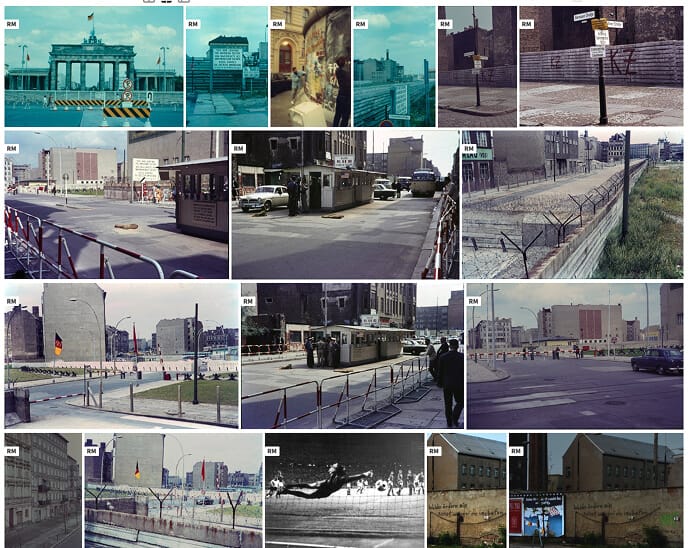
The images tell several stories at once. They document the political division of Europe, but they also show the immediate human consequences of separating streets, neighborhoods, workplaces, friends, and families.
Early photographs from August 1961 are particularly striking because they capture how quickly the division became real.
Residents looked across newly erected barriers. Soldiers guarded streets that had previously been open. Roads were closed. Buildings located directly along the border became part of the dividing line. Over time, temporary barriers were replaced by a far more elaborate system of concrete walls, watchtowers, patrol roads, fences, and restricted zones.
Archival imagery can help tell that progression visually.
Important historical categories include:
- barbed-wire barriers in August 1961
- construction of the Berlin Wall
- East German border guards
- divided streets and neighborhoods
- families communicating across the border
- Checkpoint Charlie
- Allied and Soviet military presence
- escape attempts
- tunnels and other escape routes
- political demonstrations
- Cold War leaders visiting Berlin
- the Brandenburg Gate during the division
- everyday life beside the Wall
Some of the most enduring photographs from the Wall’s history focus on individual human moments.
Images of people attempting to cross the border, families separated by barriers, soldiers standing watch, or residents observing one another from opposite sides of the Wall communicate the consequences of the division in ways that maps and political explanations cannot.
The archive also allows editors to follow the complete arc of the story.
Photography from the 1960s and 1970s documents a city adapting to division. Later imagery records protest movements, political pressure, and major Cold War speeches. Then, in November 1989, the visual story changed dramatically.
Crowds gathered at checkpoints. Berliners climbed onto the Wall. People crossed between East and West. Strangers embraced. Pieces of concrete were broken away as souvenirs.
Those images became symbols of a very different moment: the collapse of the barrier and the broader political changes reshaping Europe.
For editors, the 65th anniversary provides several possible approaches:
- visual timelines of the Berlin Wall
- Cold War retrospectives
- stories about life in divided Berlin
- profiles of escape attempts
- archival features on Checkpoint Charlie
- political analysis of East-West relations
- comparisons between Berlin then and now
- photo essays tracing the Wall from construction to demolition
- educational and historical features tied to the anniversary
Historical coverage can also benefit from pairing archival photographs with contemporary imagery of the same locations.
The Brandenburg Gate, Checkpoint Charlie, sections of the preserved Wall, the Berlin Wall Memorial, and streets that once sat directly along the border can help readers understand how dramatically the city has changed while still preserving traces of its divided past.
Suggested searches:
Berlin Wall 1961 • Berlin Wall construction • East West Berlin • Checkpoint Charlie • Berlin Wall escape • Cold War Berlin • Berlin Wall fall 1989 • Brandenburg Gate Berlin Wall • divided Berlin • Berlin Wall archive
Three Stories, Three Ways Editorial Imagery Adds Value
These three topics work particularly well together because they demonstrate three different uses of editorial photography.
The European Athletics Championships represent the immediacy of live coverage. The story is changing each day, and fresh imagery captures competition, results, emotion, and emerging storylines as they happen.
The FedExCup Playoffs demonstrate the value of the recent archive. Previous tournament imagery can help audiences understand the players, pressure, venues, and history behind the event before the 2026 competition produces its own defining moments.
The Berlin Wall anniversary shows the deeper role of the historical archive. These images are not simply illustrations of something that happened decades ago. They are primary visual records of events that shaped international politics and the lives of millions of people.
For editorial teams, that distinction matters.
Strong visual coverage is often built from a combination of:
- live imagery for immediacy
- recent archive imagery for anticipation and comparison
- historical archive imagery for context and perspective
The most useful photo searches often extend beyond the obvious headline image as well.
An athletics story may need action, athlete reaction, and venue context. A golf preview may benefit from previous winners, course imagery, and playoff celebrations. A historical feature may need photographs from several different periods to build a visual narrative rather than relying on a single iconic frame.
That broader approach gives editors more flexibility across breaking-news stories, digital galleries, print layouts, newsletters, social channels, features, and long-form retrospectives.
Find the Right Imagery for Your Coverage
Whether you’re following live championship action in Birmingham, preparing readers for the start of the FedExCup Playoffs, or building a visual retrospective on 65 years since the Berlin Wall was constructed, Newscom can help surface imagery suited to the story.
Search the Newscom archive using the suggested terms above, or contact us for a custom-curated lightbox built around your publication, market, or upcoming editorial coverage.